When you’re buying a property, it’s tempting to assume your lawyer, the agent, and the pile of documents in front of you tell the full story. But one High Court case — Anderson v FM Custodians Ltd [2013] NZHC 2425 — proves how risky that assumption can be.
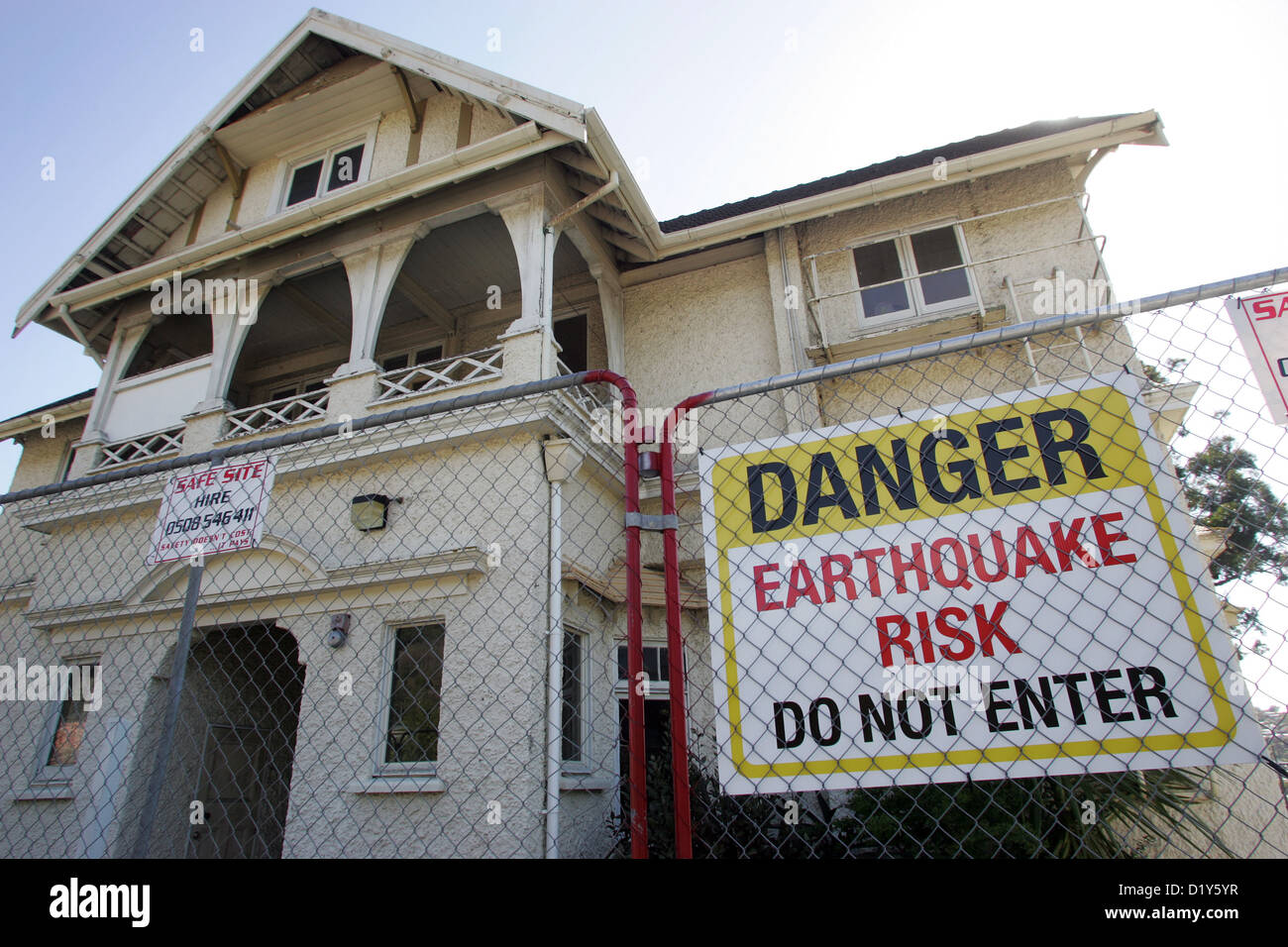
The case was about “unlawful premises”: properties being lived in but not legally approved for residential use. Think garages turned into flats, commercial buildings rented out as apartments, or houses with missing building consents.
In Anderson, the Court ruled that if a property can’t lawfully be lived in, it isn’t a “residential property” under tenancy law. That meant tenants in these homes were stripped of their protections under the Residential Tenancies Act. The Tenancy Tribunal couldn’t help them.
“If a property cannot lawfully be occupied as a residence, it falls outside the Residential Tenancies Act.” – Anderson v FM Custodians [2013] NZHC 2425
Why This Matters for Buyers
You might think this only concerns tenants. But as a buyer, the risks are clear:
- Paperwork isn’t always complete. LIM reports and vendor disclosures often miss details.
- Lawyers can’t catch everything. They only work with the information provided. If the vendor hides or omits facts, you may still be exposed.
- Value drops with unlawfulness. A house without proper consents may be worth far less than you paid — or impossible to legally rent.
As property lawyer Kristine King explained in a commentary on unlawful premises:
“The onus is on the landlord [or owner] to ensure at the start of a tenancy they comply with all requirements… If they do not, the property will be deemed an unlawful residential property.” (APIA Commentary)
The Law Has Changed — But the Risks Remain
In 2019, Parliament passed the Residential Tenancies Amendment Act (No. 2). This broadened the definition of “residential premises” to include any home used or intended to be used as a residence — whether lawful or not.
This gave the Tenancy Tribunal back its powers, and it can now order:
- Landlords to fix problems,
- Rent reductions or refunds,
- Compliance with building and safety standards (see section 78A RTA).
That’s good news for tenants. But for buyers, the message is the same: don’t assume the paperwork guarantees legality.
What Buyers Should Do
- Check Council records yourself – make sure every structure has consent and a Code of Compliance (CCC) or Certificate of Acceptance (COA).
- Be sceptical of vendor reports – always order your own independent building inspection.
- Ask the uncomfortable questions – “Was this deck consented?” “Where’s the CCC?”
- Factor in legalisation costs – if something is non-compliant, fixing it can be expensive.
- Walk away if needed – sometimes the safest choice is not to buy.
The Takeaway
The Anderson v FM Custodians case taught a harsh lesson: just because a property is being lived in doesn’t mean it’s lawful to live in.
For tenants, the law now offers stronger protections. But for buyers, the risk of paying too much for a non-compliant property is still very real.
Your lawyer is a crucial part of the process, but they are not a substitute for your own due diligence. In property, blind trust is dangerous — curiosity is your best defence.
🔗 References
- Anderson v FM Custodians Ltd [2013] NZHC 2425 – Full text on NZLII
- Parbhu v Want [2018] NZHC 2943 – Case summary
- Residential Tenancies Amendment Act 2019 – legislation.govt.nz
- Kristine King, Unlawful Premises Commentary – APIA