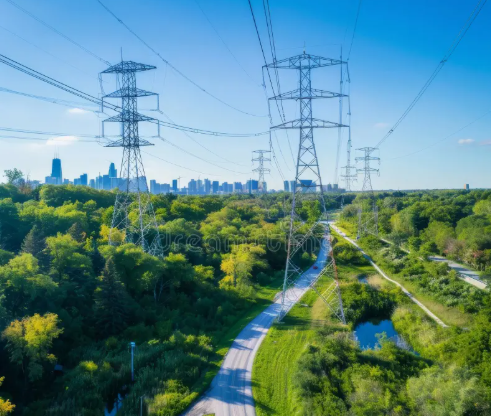
Properties located under or near high-voltage powerline corridors have long raised questions about safety, resale value, and hidden restrictions. For many buyers, the risks only become clear after purchase, when development limitations or reduced resale appeal emerge.
Building Restrictions and Easements
Every transmission corridor is subject to easements that restrict land use. These can prohibit planting tall trees, building garages or sheds, or extending homes. Easements are legally binding and remain on the property title — even if buyers aren’t fully aware when signing a contract.
Buyer Impacts on Value
Research from QV and anecdotal sales records show that houses under powerlines sell for less than comparable properties nearby. Buyers often discount the value because of perceived health risks, reduced visual appeal, or development limitations. Some banks also assess such properties as higher-risk collateral, impacting mortgage availability.
Insurance and Safety Concerns
In rare cases, insurers may restrict coverage if infrastructure issues occur near power corridors. While there is limited scientific evidence on health impacts of electromagnetic fields (EMF), the perception of risk is enough to reduce demand.
What Buyers Should Do
Before purchasing, check property titles for easements and confirm restrictions with Transpower or the local council. If a home lies beneath or near transmission lines, assume resale will be more difficult.
Source Links:
Risk Flag Box:
⚠️ Why it matters: Powerline easements restrict development and lower resale value. Always check property titles for hidden restrictions.