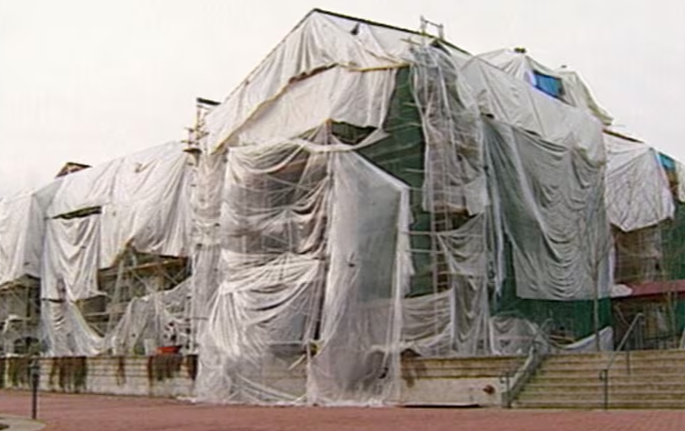
More than 20 years after the leaky homes crisis first hit New Zealand, affected properties continue to circulate through the market. Many buyers still unknowingly purchase homes with unresolved weathertightness issues, only to discover massive repair bills later.
The Legacy of Poor Building Practices
The crisis stems from 1990s–2000s construction using untreated timber, inadequate cladding, and poor design. Despite high-profile court cases and billions in repair costs, thousands of homes remain unremediated.
Ongoing Buyer Traps
Because not all affected homes are listed on council registers, LIM reports may fail to identify problems. Buyers may only learn of issues after leaks or mould appear.
Insurance and Lending Risks
Insurers often exclude cover for weathertightness failures, leaving owners without support. Some banks restrict lending on homes built during the peak “leaky era” (roughly 1994–2004).
What Buyers Can Do
Request weathertightness reports, especially for plaster-clad houses built in the 1990s–2000s. Budget for the possibility of major remediation costs.
Source Links:
Risk Flag Box:
⚠️ Why it matters: Leaky homes remain a silent hazard. Always check weathertightness reports before purchase.